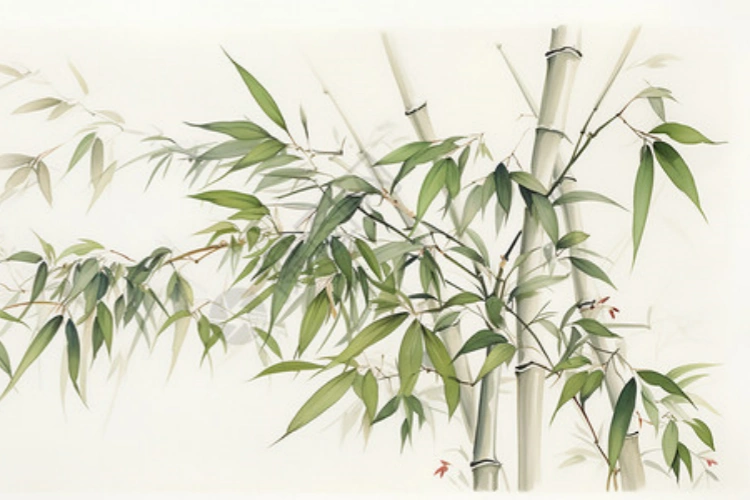
Bamboo is a hardy and highly adaptable plant, celebrated for its versatility and myriad uses. It’s a favorite among gardeners due to its rapid growth and aesthetic appeal. But as winter approaches, many wonder: can bamboo handle the cold?
Generally, bamboo is not well-suited for severe winter conditions. However, certain varieties, known as cold-hardy bamboo, can endure frost and snow. Some examples of these winter-tolerant bamboo are yellow groove bamboo, Fargesia, Bissetii, Nuda, and dragon head bamboo. These species are primarily from the Phyllostachys and Fargesia genera, known for their resilience in cold climates.
On the other hand, tropical bamboo and sympodial varieties, which prefer warmer environments, will likely not survive harsh winters.
When selecting bamboo for your garden, it’s crucial to consider your local climate. Different species have varying levels of cold tolerance, so choosing one that matches your region’s weather conditions is essential for ensuring healthy growth.
If you’re unsure which species suits your area, ask your local garden center or supplier for advice. Additionally, selecting more adaptable bamboo varieties may help increase the chances of survival. Alternatively, winterizing bamboo is another way to protect it from extreme cold.
How to Protect Bamboo in Winter
Although some bamboo species are naturally more resistant to cold, there are steps you can take to ensure they thrive through the colder months.
It’s important to remember that newly planted bamboo is particularly vulnerable to extreme weather, as it’s still adjusting to its new environment. Older, more established bamboos are generally less susceptible, but they still require protection.
Here are several ways to care for bamboo during winter:
Plant in the Ground Instead of Containers
Bamboo planted directly in the ground is better insulated from the cold, as the surrounding soil offers more protection. In contrast, container plants are at a greater risk of freezing, which can harm the bamboo’s roots.
Use Mulch
Mulch provides an extra layer of warmth for your bamboo and helps retain moisture. Materials like leaves, pine straw, or wood chips can all work well. Plus, mulch helps prevent the soil from drying out during warmer months.
Insulate the Plants
For additional protection, you can insulate your bamboo with materials like bubble wrap, burlap, or old blankets. This extra layer of warmth can shield your bamboo from frost damage.
Bring Pots Indoors
If your bamboo is in containers, it’s best to bring them inside during the coldest months. This will protect the bamboo from freezing temperatures. If bringing them indoors isn’t feasible, consider placing the pots in a sheltered area like a garage or shed.
Protect Young Bamboo
Young bamboo plants are particularly susceptible to the cold, so they need extra care. Many gardeners choose to cover smaller plants with a plastic bag, or even an old trash bag, to shield them from freezing temperatures. Alternatively, placing them indoors can be a safe option.
Ensure Proper Drainage
Proper drainage is essential to protect bamboo from winter damage. When the soil doesn’t drain well, water can accumulate, freeze, and harm the bamboo roots. Make sure your bamboo is planted in well-draining soil, and avoid overwatering before winter sets in.
In Conclusion
While bamboo and winter may not seem like the best combination, it is possible to help your bamboo survive cold temperatures with the right care. By choosing cold-hardy species and employing protective measures such as mulching, insulating, and ensuring proper drainage, you can give your bamboo the best chance to thrive through the winter.
Remember, all plants, not just bamboo, require attention and protection during extreme weather. Prioritizing the health of your plants, regardless of the season, is key to maintaining a flourishing garden year-round.